Local Gym Case Study
THE BUSINESS
Local athletic gym
Offers strength & conditioning programs
Targets youth athletes, high school athletes and semi-pro or adult competitors
Likely operates in a competitive local sports market
Persona Research
Two strong personas here.
Primary Persona 1: “The Competitive Parent”
Age: 35–50
Gender: Slight male skew but balanced
Income: Middle–upper middle class
Location: Within 20–30 min radius
Child: 12–17 year old athlete
Psychographics:
Wants their kid to succeed
Worried their child is falling behind
Sees other kids getting stronger/faster
Fears injury
Values coaching + structure
Invests in camps, gear, leagues
Primary Persona 2: “The Driven Athlete”
Age: 14–18
Sport: Hockey, football, basketball, soccer, track
Mindset: Competitive, wants edge
Follows: Sports performance accounts on IG/TikTok
Pain: Not fast enough, not strong enough, not getting noticed
This persona is emotional.
Demographics
Age: 35–50
Parent of athlete aged 12–17
Middle to upper-middle income
Located within 20–30 minute radius of facility
Psychographics
Highly invested in child’s athletic success
Concerned about their athlete falling behind
Values structured coaching over random workouts
Invests in camps, leagues and equipment
Motivated by performance improvement and injury prevention
Core Fear
“My child isn’t doing enough to compete.”
Core Desire
Confidence, playing time, competitive advantage and long-term athletic opportunity.
Market Awareness Level
Most local athletic gyms are targeting:
Problem Aware or Solution Aware
They know:
Their kid needs to get stronger/faster
Other athletes are training
Strength training helps performance
They do NOT know:
Why this specific gym is different
Why structured S&C > random workouts
So we position as:
“The Performance Program”
Not just workouts.
Not just gym access.
A system.
Pain vs Desire
Core Pain (Parent)
“My kid is falling behind.”
“They’re not getting playing time.”
“They’re getting pushed around.”
“They could get injured.”
“I don’t know if what they’re doing is enough.”
Core Desire (Parent)
Confidence
Scholarships
More playing time
College recruitment
Physical dominance
Discipline & work ethic
Core Pain (Athlete)
Slower than teammates
Benched
Not confident
Weak compared to competition
Core Desire (Athlete)
Faster
Stronger
Bigger
More explosive
To stand out
To win
Offer Angle
Angle 1: “The Competitive Edge System”
Structured athlete development program designed to increase speed, power, and injury resilience.
Angle 2: “Off-Season Dominance Program”
Limited enrollment seasonal program.
Angle 3: “Speed & Power Combine Prep”
Test measurable improvements (vertical jump, 40-yard dash, strength numbers)
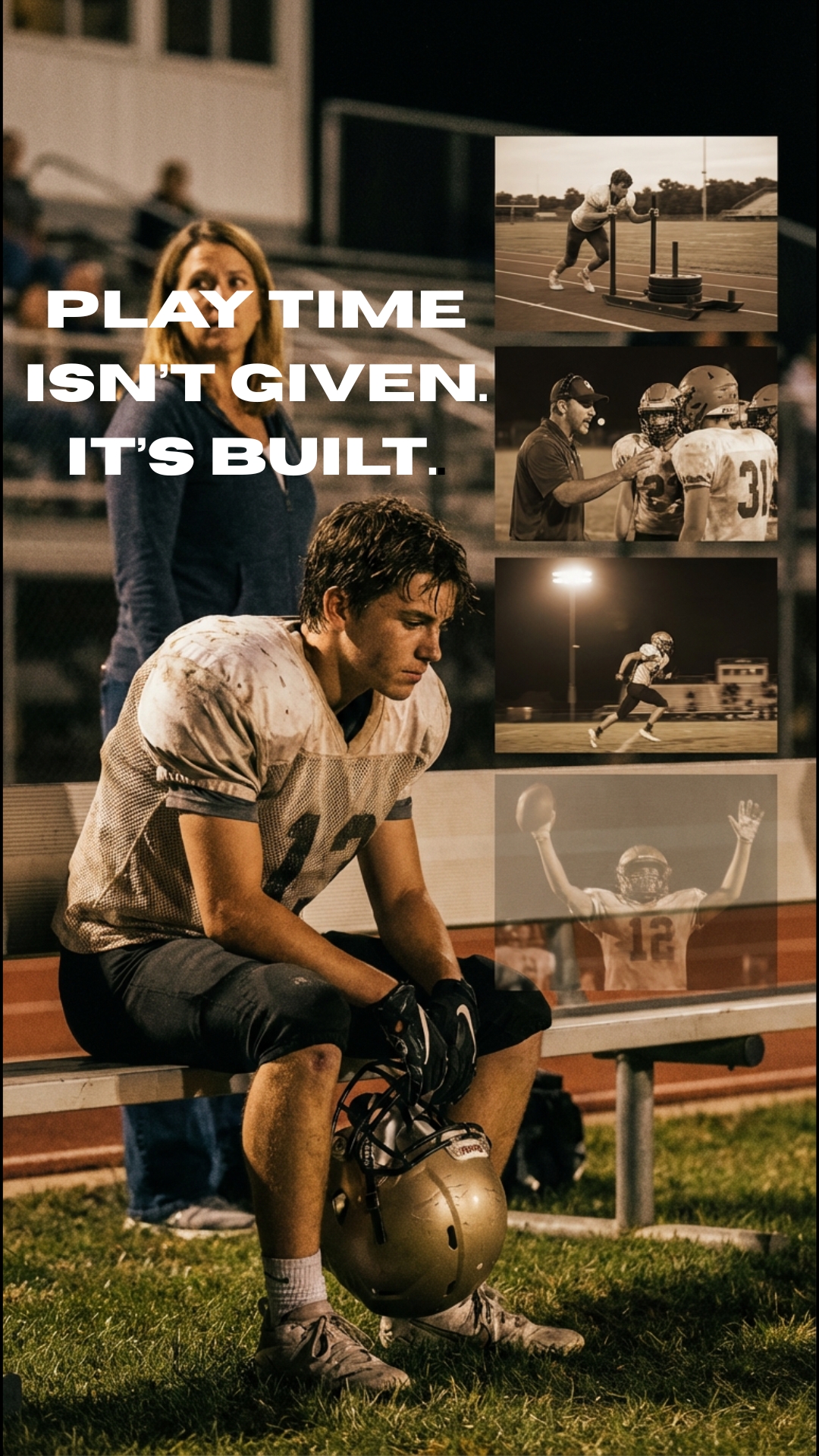
Angle 4: “Playing Time Accelerator”
Speak directly to performance results.
Funnel Strategy
Step 1: Traffic Objective
Drive Meta traffic to a dedicated performance landing page rather than a generic homepage.
Step 2: Landing Page Structure
Section 1 – Performance Hook
“Is Your Athlete Ready for the Next Level?”
Section 2 – Pain Amplification
Falling behind competitors?
Not getting playing time?
Lacking speed or strength?
Section 3 – The System
Structured athletic programming
Performance testing
Certified coaching
Progress tracking
Section 4 – Social Proof
Testimonials
Before/after performance metrics
Parent endorsements
Section 5 – Call to Action
Book a Free Athlete Performance Assessment
Automation & Follow-Up
After booking:
SMS confirmation and reminder
Email sequence outlining what to expect
Educational content on off-season mistakes
Objective:
Increase show rate and improve conversion from assessment to enrollment.
